
The Rise of Functional Art in Modern Living Spaces
Explore how functional art transforms modern homes by blending utility with aesthetic expression, creating living spaces that are both practical and inspiring.
For a long time, there was a clear line between high art and practical household items. Fine art was mostly found in galleries or museums, while things like chairs and tools were built only for their utility. Recently, this has changed quite a bit. Many homeowners now look for objects that serve a specific purpose but also have the visual appearance of a professional art piece.
This movement is commonly known as functional art or collectible design. It places a lot of importance on the way an object is constructed and the specific materials used by the maker. Because modern houses are now used for both living and working, the items inside them are expected to do more than just work correctly. They are chosen to improve the overall look and atmosphere of a room. This trend is currently changing how people pick out everything from their kitchen equipment to their office furniture.
1. Sculptural Lighting as a Focal Point
Lighting provides much more than just basic illumination for a room. In a lot of modern houses, the lamps and overhead fixtures are used as the primary decorative elements. Designers are now utilizing technology like LED strips and fiber optics to build lighting that resembles a physical sculpture. These items are meant to look attractive even during the day when the power is turned off.
- Organic shapes. Some lights look like plants, vines, or cells. This brings a natural look to simple rooms.
- Industrial geometry. Using plain metal and sharp angles makes a space look strong and modern.
- Material innovation. Making lamps from hand-blown glass, old resin, or paper makes them stand out.
Using light as art helps people show their style and change the feel of a room. The way shadows and light move creates a 3D effect that you cannot get from a flat picture on a wall.
2. The Evolution of Articulated Furniture
Functional art is often found in furniture. Today, more people want one-of-a-kind things than cheap ones that are mass-produced. A lot of people want one-of-a-kind tables, chairs, and shelves that are made by hand.
These days, designers often mix different kinds of materials. For example, they might put liquid resin into natural wood or place heavy marble on thin metal frames. These designs change how we think about weight and balance in a room. According to trends discussed in architectural circles, many people are moving away from fast furniture in favor of items that tell a story and appreciate over time.
3. Functional Glass and Modern Craftsmanship
Glass pieces have been used in art for a long time, but now they're also being used more in everyday life. People are picking hand-made goods over factory-made ones. These pieces often show small marks from the maker, which people like. This trend includes thick vases and specific tools used for relaxing.
Lately, even specialized glass items have become things people collect. Items like dab rigs show that a tool can work well and look like art at the same time. Makers use difficult methods, such as fuming with gold or silver vapor to add color, or creating latticino patterns. When kept on a table or shelf, these tools work as sculptures. They show that the owner values hard work and specific historical styles.
4. Textile Art: Beyond the Traditional Rug
Wall rugs and floor mats are not just for comfort anymore. Many are now made by textile artists. Since tufting became a popular skill, more people are making colorful rugs with 3D shapes. These often look like soft sculptures rather than just floor covers.
- Tactile variety. The rug feels different when you touch it because the yarns are of different lengths and made of different materials, like wool, silk, or plastic.
- Acoustic benefits. These textile pieces also help block noise. This is useful in modern flats that have hard floors.
- Customization. Many artists take specific requests. This allows owners to get a piece that fits their exact room size and colors.
Because of this, all parts of a home, including walls and floors, can match a single artistic style.
5. Technological Integration as Art
As smart home technology becomes ubiquitous, there is a push to make these gadgets look less like tech and more like decor. You can now find high-quality speakers covered in nice fabric. Some TVs also turn into digital art frames when you are not watching them.
The idea is to hide the look of plain plastic boxes. A speaker might look like a clay jar or a wooden object, but still play great sound. This helps keep a house looking clean and organized while still using modern technology.
Conclusion: The Future of Personal Curation
The growth of functional art shows that people care more about their home environment. Instead of buying cheap things to throw away, people are choosing items with a specific purpose. When daily objects like chairs, lamps, and glass pieces are made with a focus on design, they make a home feel different.
Buying functional art is more than just picking out decorations. It is about choosing to own things made with skill. When you mix art and furniture design, your home starts to look like your own personal gallery. This shows that something can look good and be useful at the same time. Useful art, like a stool made of wood or a tool made of glass, makes everyday things look better.
More General
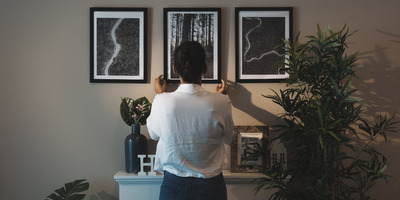
Modern Condo Design in Canada: Adding Personality Through Wall Art
Canadian cities have seen a rise in condo living, but many interiors feel plain and impersonal. Adding your own style is key, especially in smaller spaces where walls offer the best opportunity to express personality. In this article, we explore how to personalize condos with wall art.

Gaming: One of The Most Overhauled Industries in the Internet Age?
The internet has changed how we consume media, reducing TV and news influence as people turn to streaming and microblogging. Gaming, often overlooked, has been fully reshaped by digital access. This article explores how the internet transformed the gaming industry.

Canadian Consumers Call for Clearer Risk Disclosures in Online Reviews
Online reviews strongly influence Canadian consumers’ decisions, shaping perceptions of safety, reliability, and value. As expectations for clarity and honesty grow, people seek reviews that explain risks and details. This article explores the importance of clear disclosures in online reviews.

The science of television fandom - why we are so into our favourite TV shows
Television appeals to viewers because it offers more than entertainment. Like visiting family or a favorite place, TV shows create comfort and familiarity, drawing audiences in and holding their attention. This article explores why television has such a strong emotional pull.

How a Mix of Local and Foreign Gaming Platforms Enriches Experience
In today’s gaming world, players explore local and international platforms. This mix boosts engagement, creativity, and decision-making. The article examines differences between local and foreign platforms, mobile gaming, and how diverse experiences enhance player skills and community interactions.

Inside the Influential and Unpredictable World of Online Opinions
In the digital age, online reviews shape purchases and brand reputations. Canadian consumers must evaluate them critically, weighing credibility and context. This article provides a framework to use reviews wisely and make informed, smarter buying decisions.

Tips for Canadian Students to Study More Effectively
Canadian students juggle classes, part-time work, and studying. Learning styles and pace differ, but the right tools can turn stress into a manageable, confident path to success. This article shares practical tips to help students study smarter and more effectively.

10 Fun and Cozy Indoor Activities to Enjoy on Cold Winter Days
Winter is here, and many of us spend more time indoors, making it harder to stay entertained. To help, we’ve compiled a list of fun, cozy, and creative indoor activities perfect for cold winter days, keeping you engaged and comfortable at home.


